For most Indianapolis homeowners who need a usable lawn quickly, sod is the better choice for new construction, yard renovation, or bare areas left after grading. Seed works better for large areas, lower-urgency projects, or tighter budgets. The right choice depends on timing, soil condition, budget, timeline, and how much maintenance you want during the first few months.
Sod vs. Seed in Indiana: The Quick Answer
Sod vs seed in Indiana usually comes down to speed versus cost. Sod gives you a finished lawn faster, while seed gives you a lower upfront price and more grass variety options. For Indianapolis lawns, the best answer often depends on these main factors:
- How quickly you need the lawn ready
- How much you want to spend upfront
- Whether your yard has slopes, runoff, or erosion
- How compacted your soil is
- How much watering and early care you can handle
- Whether the area gets full sun, shade, or mixed light
The Four Factors That Decide Between Sod and Seed
Indianapolis lawns face clay-heavy soil, hot summers, cool-season grass needs, and seasonal timing limits. That means the right lawn installation in Indianapolis is not always as simple as choosing the cheaper option. These four factors can help you decide which option fits your yard best.
Timing
Sod can usually be installed from spring through fall in Indiana as long as the ground is not frozen. The best time to lay sod in Indianapolis is often spring or fall because temperatures are cooler and watering is easier. Summer sod can work, but it needs more careful watering during July and August heat.
Seed has a tighter window because cool-season grass needs the right soil temperature to germinate. Late August through mid-October is usually the strongest time for seeding in Indiana. Spring seeding can work, but weeds and summer heat often make it harder to get a thick lawn.
Soil Condition
Marion County soil often has silty clay loam, which can hold water, compact easily, and slow root growth. Sod and seed both need proper soil preparation before installation. Skipping prep can lead to thin grass, standing water, weak roots, or uneven growth.
For sod, the soil needs grading, loosening, and a clean surface so the roots can connect with the ground below. For seed, the soil must be opened enough for seed-to-soil contact. In compacted clay, aeration or light tilling is often needed before either method can perform well.
Budget
Grass seed vs sod cost for Indiana is one of the biggest differences for homeowners. Sod installation cost in Indianapolis is usually higher because the grass is already grown, harvested, delivered, and installed. Seeding costs less upfront, but it takes more time, watering, and follow-up care.
As a general range, sod can run around $1 to $2 per square foot installed, while seeding may fall closer to $0.20 to $0.50 per square foot. A small front yard may justify the higher sod price because the result is fast and clean. For a very large lawn, seed may make more sense if you have time to wait.
Timeline
Sod can become walkable in about 3 to 4 weeks when it is installed and watered correctly. It gives you green coverage right away, which helps with curb appeal, mud control, and erosion. This makes sod a strong choice after grading, construction, or full yard renovation.
Seed takes longer because it must germinate, fill in, and grow strong enough for regular use. Many seeded lawns need 6 to 12 weeks before they look full, and some areas may need overseeding later. If you need a finished lawn fast, sod usually wins.
Sod vs. Seed Pros and Cons for Indianapolis Lawns
Sod vs seed pros and cons are easier to compare when you look at how each option performs in real Indianapolis yards. Sod is faster, cleaner, and better for erosion control. Seed is cheaper, more flexible, and better for homeowners who can be patient.
Sod Pros
- Gives an instant lawn appearance
- Helps control erosion on slopes
- Reduces mud around new construction
- Suppresses weeds better at the start
- Works well for high-visibility areas
- Can be installed through more of the growing season
Sod Cons
- Costs more upfront than seed
- Needs careful watering while roots establish
- Offers fewer grass variety options
- Can struggle if installed over compacted soil
- Requires good grading before installation
Seed Pros
- Costs less for large lawn areas
- Offers more grass type choices
- Can develop strong roots over time
- Works well for patient homeowners
- Good for overseeding thin areas
Seed Cons
- Takes longer to look complete
- Needs steady watering during germination
- Can wash away on slopes
- Faces more weed competition
- Often needs follow-up seeding in thin spots
When Sod Is the Better Choice
Sod is usually the better choice when you need fast results, cleaner curb appeal, or better control over erosion. It is especially useful after new construction, grading work, or a full yard renovation. If you are asking, should I sod or seed my lawn in Indiana, sod makes sense in these situations:
- You need the lawn to look finished quickly
- Your yard has slopes or runoff problems
- You have bare soil near walkways, patios, or driveways
- You want less weed pressure at the start
- You are repairing a highly visible front yard
- You need a cleaner surface for kids, pets, or guests
- Your property has muddy areas after construction or grading
When Seed Is the Better Choice
Seed is usually the better choice when cost matters more than speed. It can be a smart option for large lawn areas, minor thinning, or homeowners who do not need an instant result. Seed also gives you more control over the grass blend you use.
Seeding works best when the yard is stable, the soil is prepared, and you can water consistently. It is not the best option for steep slopes, heavy runoff areas, or places where seed may wash away before it roots. If the lawn needs quick use or immediate coverage, sod is usually the safer choice.
Best Grass Types for Indianapolis Lawns
Most new lawn installation for Indiana uses cool-season grasses because they handle the state’s weather better than warm-season grasses. Indianapolis lawns deal with cold winters, humid summers, and soil that can stay heavy after rain. These grass types are common options for sod and seed projects.
Kentucky Bluegrass
Kentucky bluegrass is known for its thick look and rich color. It performs best in sunny areas and creates a polished lawn when properly maintained. It may need more water and care during hot, dry weather.
Tall Fescue
Tall fescue is a strong choice for many Indianapolis lawns because it handles heat, drought, and clay soil better than some other options. It has deeper roots and often needs less maintenance once established. This makes it a practical option for busy homeowners.
Fine Fescue
Fine fescue works well in shaded areas and wooded lots. It can be helpful for lawns in places with mature trees, filtered light, or mixed sun conditions. It is often used in seed blends where shade tolerance matters.
Perennial Ryegrass
Perennial ryegrass germinates quickly and helps create fast early coverage. It is often included in seed mixes for traffic tolerance and faster establishment. It can be useful when a lawn needs quicker green-up from seed.
Spring vs. Fall: When Should You Install Sod or Seed?
Sod installation in Indianapolis can happen during most of the growing season, but spring and fall are usually easier on the grass. Cooler weather reduces stress, and natural rainfall can help support rooting. Mid-July through August can be risky because heat and dry conditions increase watering demands.
Seeding is more timing-sensitive than sod. Late summer through early fall usually performs better because soil is still warm, air temperatures cool down, and weed pressure is lower. Spring seeding can work, but young grass often struggles when summer heat arrives too soon.
Why Indiana Clay Soil Needs Proper Prep
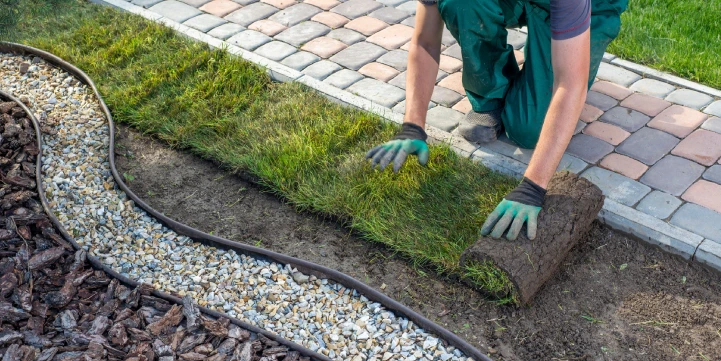
Indiana clay soil can make or break a lawn project because compacted ground can block roots, trap water, and cause thin grass over time. Proper prep gives sod or seed a better chance to connect with the soil and grow evenly. Sod needs a graded, loosened, and cleared surface before installation. Seed needs good soil contact, so many Indianapolis yards may need aeration, light tilling, soil amendments, or grading first.
Why New Gen Landscaping Is a Smart Choice for Sod Installation
New Gen Landscaping provides sod installation in Indianapolis for homeowners who want a cleaner, faster, and more reliable lawn upgrade. Our sod installation service includes careful site preparation, soil testing, grading for drainage, soil amendments, and professional installation. We keep the process simple by focusing on what your yard actually needs before the sod is installed.
We can help with new sod for bare yards, damaged lawns, new construction areas, and lawn renovation projects. Our team prepares the soil so the sod can root properly and grow into a stronger lawn. We also pay attention to drainage because water problems can weaken even the best new turf.
Choose the Right Lawn Installation Option for Your Indianapolis Yard
Sod vs seed for Indianapolis depends on your timeline, budget, and maintenance needs. Sod gives you fast coverage and better erosion control, while seed costs less but takes more time and care. Contact us today to schedule sod installation in Indianapolis and get your lawn started the right way.