Native plants in Indianapolis do best when they can handle clay-heavy soil, spring rain, humid summers, and cold winters. Indianapolis sits in USDA Zone 6a to 6b, with a growing season that runs from spring into mid-fall. This guide covers the best plants for Indiana yards, what to avoid, and how to build color from March through November.
Why Indianapolis Yards Need the Right Plant Choices
Not every pretty plant at a big-box store is built for Central Indiana weather. Many yards around Marion County have compacted clay soil, wet spring conditions, and dry summer stretches that stress weak plants fast.
The best landscaping plants in Central Indiana are usually tough, adaptable, and able to return year after year with less work. Native Indiana plants landscaping also supports pollinators, improves soil health, and helps reduce watering once roots are established.
Best Native Perennials for Indianapolis Yards
Indiana native perennials are a smart choice when you want color without constant replanting. These plants can handle local weather better than many high-maintenance options and often need less water after the first season.
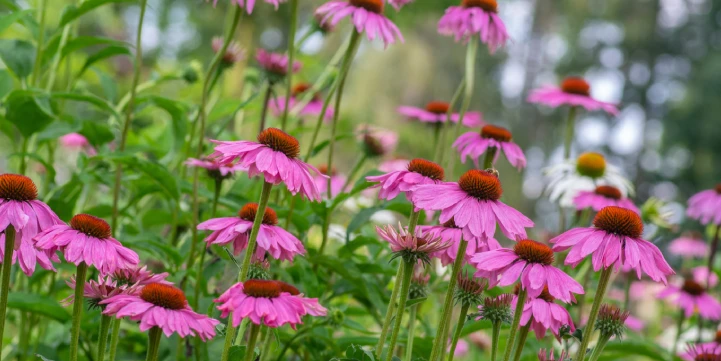
Purple Coneflower
Purple coneflower is one of the best low maintenance plants for Indianapolis because it handles heat, clay soil, and dry periods once established. It usually blooms from June through August and attracts bees, butterflies, and other pollinators. This plant also self-seeds well in Indiana soil, so it can slowly fill open areas over time. It works best in full sun and looks great with native grasses or black-eyed Susan.
Black-Eyed Susan
Black-eyed Susan is a bright, reliable bloomer that handles poor soil and summer heat. It spreads more aggressively than some perennials, which can be helpful if you want fast coverage. This is one of the best plants for Indiana yards when you need color in sunny areas. Give it room to spread, or use it where you want a fuller, natural look.
Wild Bergamot
Wild bergamot, also called bee balm, is a strong choice for partially shaded Indianapolis lots. It attracts bees, butterflies, and hummingbirds while adding soft purple flowers in summer. It performs well in native plantings where the soil holds some moisture but does not stay soaked. This makes it useful for homeowners asking what plants grow well in Indianapolis when full sun is not available all day.
Little Bluestem
Little bluestem is a native ornamental grass that brings texture, movement, and fall color. It turns from blue-green in summer to red-bronze in fall, which gives the yard visual interest after many flowers fade. This is one of the best drought tolerant plants Indiana homeowners can use once the roots are established. It also performs well in tough soil and sunny areas.
Blue Wild Indigo
Blue wild indigo has bold spring blooms and a deep root system that helps it handle dry periods. It also fixes nitrogen in the soil, which can help improve clay-heavy areas over time. This plant takes time to settle in, but it becomes very tough once mature. It is a strong choice for plants for clay soil in Indianapolis because it builds deep roots instead of staying shallow.
Native Shrubs That Work Well in Indianapolis
The best shrubs for Indianapolis should handle cold winters, wet springs, and hot summers without needing constant attention. Native shrubs also add structure, seasonal color, and wildlife value.
- Buttonbush: A strong choice for wet areas, low spots, and clay soil near places like White River or Eagle Creek.
- Ninebark: A cold-hardy shrub with strong year-round interest and very few pest issues in Central Indiana.
- American beautyberry: A fall standout with purple fruit clusters that attract birds and add late-season color.
Trees That Thrive in Marion County Conditions
Small and medium trees can make a yard feel more finished without overwhelming the space. In Indianapolis, the best choices are trees that tolerate urban conditions, changing moisture, and compacted soil.
- Redbud: Indiana’s state tree, with early spring blooms and good tolerance for urban settings.
- Serviceberry: A smaller tree with spring flowers, summer berries, fall color, and a size that fits tighter lots.
- River birch: A strong pick for wet areas because it handles moisture well and resists many common problems.
Plants to Avoid in Indianapolis Clay Soil
Some plants look great at Lowe’s, Home Depot, or local displays but struggle once planted in Marion County clay. The main issue is that many plants sold as “Indiana friendly” still need better drainage, warmer zones, or looser soil than many Indianapolis yards can offer.
Be careful with plants that need sandy soil, constant drainage, or Zone 7 warmth to perform well. Also avoid choosing plants only by flower color, because the right sunlight, soil, and moisture match matter more than the tag photo.
Common mistakes include:
- Buying plants labeled for warmer growing zones that may not survive colder Indianapolis winters.
- Choosing plants that need fast-draining soil for compacted clay areas.
- Planting sun-loving flowers in shaded yards.
- Using thirsty plants in dry, exposed areas.
- Ignoring mature plant size near walkways, patios, and foundations.
How to Build Seasonal Interest from March Through November
A low-maintenance yard should not look good for only one month. The best approach is to layer plants so something is blooming, changing color, or adding texture through most of the growing season. Here are the steps to follow:
- Start with spring bloomers like redbud and serviceberry for early color.
- Add early summer perennials like blue wild indigo and wild bergamot.
- Use mid-summer plants like purple coneflower and black-eyed Susan for strong color.
- Include shrubs like ninebark and American beautyberry for structure and fall interest.
- Finish with native grasses like little bluestem for movement and late-season color.
Where Annual Flowers Fit Into a Native Plant Plan
Native plants are great for long-term structure, but annual flowers can add quick seasonal color where perennials need time to fill in. They work well near entrances, patios, walkways, and front-facing areas that need a fresh look each season.
With New Gen Landscaping, I can help you pair tough native plants with seasonal color that makes the whole yard feel more complete. Our seasonal color and annual flowers installation service includes plant selection, soil preparation, planting, and seasonal refreshes so your yard keeps looking bright without adding more work to your week.
Choose Plants That Actually Work for Indianapolis Yards
The right native and low-maintenance plants can make an Indianapolis yard easier to care for, more colorful, and better for pollinators. Purple coneflower, black-eyed Susan, wild bergamot, little bluestem, buttonbush, ninebark, redbud, and serviceberry are strong choices for Central Indiana. Contact us today to plan seasonal color and annual flower installation for your Indianapolis yard.